Conveyor Systems & Automation
Is your conveyor line performing as well as it should?
A conveyor doesn't have to be broken to be costing you money.
Small inefficiencies—recurring jams, misfeeds, unnecessary stops, poor product flow, ageing controls, unreliable sensors and bottlenecks between machines—can quietly reduce production every shift.
Reynolds Automation Controls reviews existing conveyor systems to identify what is slowing your production down, what is creating unnecessary risk, and where practical improvements can increase reliability, throughput and efficiency.
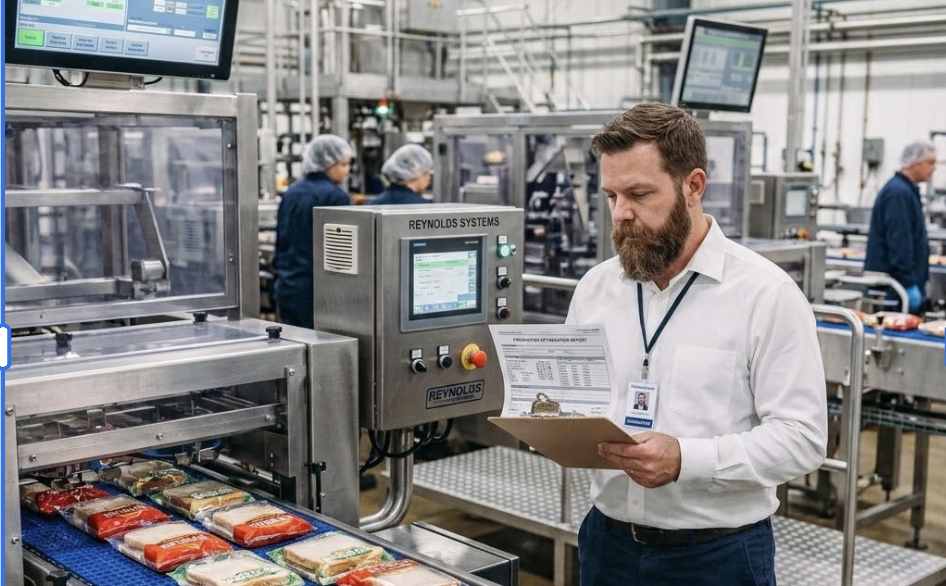
Find the hidden losses before they become expensive problems.
Your production team normally knows when a conveyor has completely failed. The bigger opportunity can be identifying everything happening before that failure.
Micro-stops. Belt tracking issues. Sensor faults. Product jams. Poor sequencing. Unnecessary manual handling. Motor and gearbox deterioration. Bottlenecks. Inconsistent product spacing. Ageing controls. Repetitive operator intervention.
Reynolds combines practical engineering experience with automation, smart sensors, PLC/SCADA integration and real-time monitoring to help expose these hidden losses.
The document specifically identifies line-wide sensors and OEE monitoring as a way of exposing hidden losses and micro-stops, together with predictive monitoring of belts, motors and gearboxes to prevent unplanned downtime.
If you can see where production is being lost, you can start doing something about it.
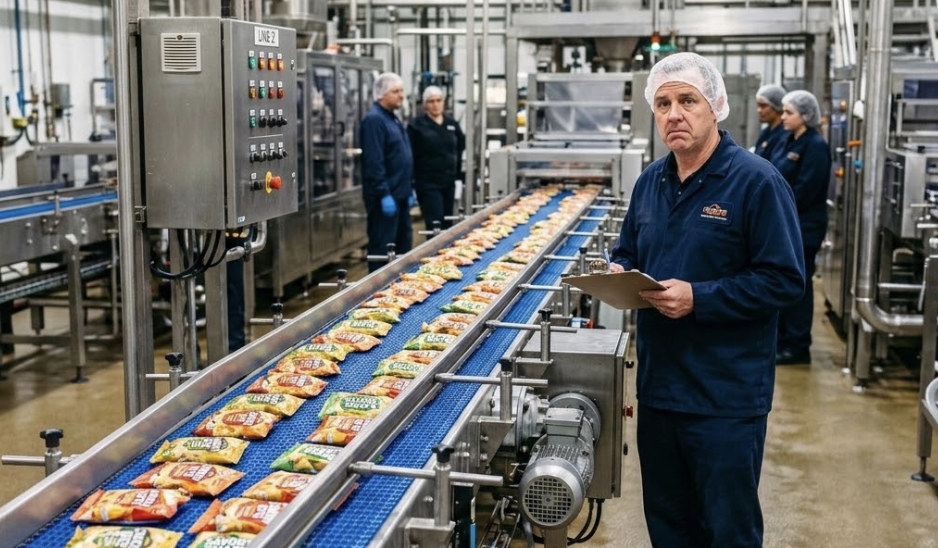
We look at your entire conveyor system—not just the broken bits.
Many production problems aren't caused by one major failure. They're caused by multiple small issues across a line that have developed over time.
Reynolds can review the conveyor, motors, gearboxes, sensors, controls, guarding and the interaction between conveyors and connected equipment such as printers, weighers, wrappers and inspection systems.
We look at how product actually moves through your facility: where it slows, where it accumulates, where operators intervene, where equipment regularly stops and where the conveyor system may be restricting the performance of the rest of your production line.
The objective is simple: understand what your conveyor system is doing today—and what it could be doing better.
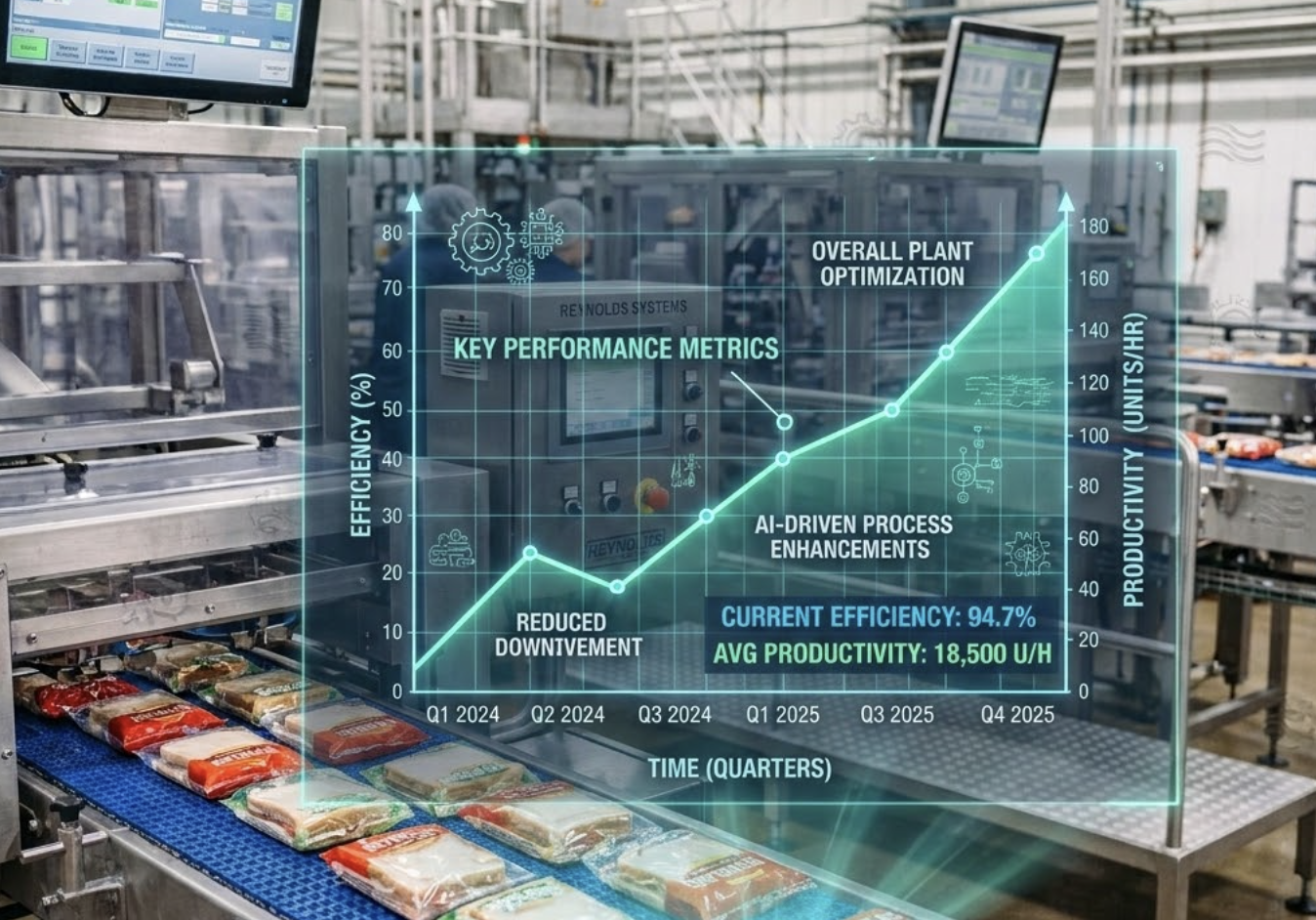
Fix what matters. Upgrade what delivers a return.
Once the opportunities have been identified, Reynolds can help determine the most practical way to improve the line.
That might involve modifying an existing conveyor, improving controls, replacing sensors, integrating equipment, eliminating a bottleneck, improving product flow, adding automated inspection or reject systems, upgrading guarding and safety interlocks, or introducing monitoring that gives your team better visibility of performance.
And importantly, the answer isn't necessarily replacing the whole system.
Reynolds can work with existing equipment and brownfield production environments to identify targeted improvements that increase reliability, reduce downtime and help your existing assets perform better. The brochure already positions Reynolds around synchronising conveyors with sensors, printers, weighers and wrappers to eliminate jams, misfeeds and downtime.
Better flow. Less downtime. Fewer interventions. More production from the equipment you already own.
Your conveyor isn't broken. But could it be running better?
You don't need to wait for a breakdown to find out.
Book a Conveyor Efficiency Review with Reynolds Automation Controls.
We'll review your conveyor and production line, identify potential losses and improvement opportunities, and show you where practical engineering and automation changes could make a difference.
BOOK A CONVEYOR REVIEW →